



There are many ways a lawyer can help with a prescription drug DUI case; for instance, a lawyer can review the evidence, challenge test results, and protect your rights at every step of the process. When prescription medications are involved, the situation can feel unclear because the person may have taken a legally prescribed drug and still face DUI charges.
Prescription drug DUI cases, sometimes called DUID cases, often involve medications like Xanax, Ambien, or opioids. These cases do not always rely on a clear number like blood alcohol concentration.
Instead, they often depend on observations, test results, and how law enforcement interprets impairment, which is why many people consider speaking with a Los Angeles DUI Lawyer.
1. Dealing With the Landscape of Prescription Drug DUIs
Prescription drug DUIs can feel different from typical drunk driving cases. A person may have followed a doctor’s instructions and still face questions about their ability to drive safely.
Another thing to remember is that medications can affect people differently. The same dose may cause noticeable impairment in one person but not in another, which can make these cases harder to evaluate.
What Constitutes a Prescription Drug DUI (DUID)
A prescription medication DUI usually involves driving while impaired by medication, even if the drug was legally obtained. Officers may look at behavior, physical signs, and results from blood or urine testing.
In some situations, substances like antihistamines or sleep medications can also be part of the case. The focus often shifts from the legality of the drug to whether it affects driving ability.
2. Explaining Your Rights and the Implied Consent Law
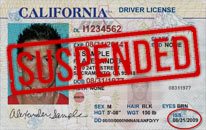
After a traffic stop, drivers may be asked to submit to a chemical test. Under implied consent rules, refusing a blood or urine test can lead to license suspension, even before the criminal case is resolved.
A DUI defense attorney may help explain what those requests mean and how decisions made at that moment can affect both DMV hearings and court proceedings.
Also, rights during questioning can become important. If statements are made without proper advisement, they may later be reviewed as part of the legal defense.
3. Challenging the Initial Stop and Probable Cause
In many cases, the first question is whether the traffic stop itself was justified. The reason for the stop can shape everything that follows.
Scrutinizing the Traffic Stop: Was There Probable Cause?
Law enforcement officers must have a reason to stop a driver. That reason could be a traffic violation or observed behavior. If that reason is unclear, it may affect how evidence is handled later.
Small details matter here. Timing, location, and officer observations may all be reviewed when looking at probable cause.
Debunking Officer Observations: Symptoms vs. Impairment
Officers often rely on physical signs like red eyes, slow speech, or lack of coordination. These signs can sometimes be linked to prescription medications, fatigue, or even anxiety.
For that reason, distinguishing between symptoms and actual impairment becomes part of the discussion. What looks like drugged driving at first may have other explanations.
Reviewing Police Dashcam and Bodycam Footage
Video evidence from a police dashcam can provide another perspective. Footage may show how the stop occurred, how field sobriety tests were conducted, and how the driver responded.
At times, these recordings help clarify whether procedures were followed and whether observations match what actually happened. In some cases, additional materials may be requested through the California Public Records Act (CPRA) to review available reports or footage.
4. Deconstructing Field Sobriety Tests (FSTs) and Drug Recognition Evaluations (DREs)
Field sobriety tests and evaluations by Drug Recognition Experts are often used in DUID cases. These tools are meant to assess impairment, but they are not always straightforward.
The Flaws in Standardized Field Sobriety Tests for Prescription Drug Cases
Standardized Field Sobriety Tests were originally developed with alcohol in mind. When prescription medications are involved, results can be harder to interpret.
Balance, coordination, and reaction time may be affected by many factors, including medical conditions or normal fatigue. That can make test results less clear than they might appear.
Common issues that may affect these tests include:
- Uneven surfaces or poor lighting conditions
- Anxiety or stress during the traffic stop
- Medical conditions affecting balance or coordination
- Side effects from prescription medications
- Fatigue or lack of sleep
These factors do not always get full attention at the moment of the stop. Looking at them more closely later can help clarify whether the results reflect impairment or something else entirely.
Understanding the Role and Limitations of Drug Recognition Experts
Drug Recognition Experts are trained to identify signs of drug impairment. They may conduct evaluations that look at eye movement, pulse, and other indicators.
Even so, their conclusions are based on observation and training rather than a single measurable number. That leaves room for discussion about how accurate those evaluations are in a specific case.
5. Answering Your Questions and Protecting Your Rights
A prescription drug DUI case often raises questions about evidence, testing, and what steps to take next. Legal defense strategies may involve reviewing how samples were collected, whether the chain of custody was maintained, how results were interpreted, and how California Penal Codes may apply to the situation.
Los Angeles DUI Lawyer can connect you with a defense attorney who can help explain options such as DMV hearings, possible plea agreements, or preparing for a jury trial. Each case develops differently, and early understanding can help reduce uncertainty.
If you are facing DUI charges related to prescription medications, consider speaking with a DUI defense attorney to help you feel more prepared as you move forward.
 Fact Checked