


Three ways a lawyer can help with a DUI checkpoint arrest are by educating you on your rights and next steps, challenging the legality of your arrest, and building a strong defense on your behalf.
You may feel like you did not do anything wrong, yet you still ended up facing DUI charges. That disconnect is common with checkpoint arrests, where brief interactions can lead to quick decisions by officers and limited chances to explain yourself in the moment.
Speaking with a Los Angeles DUI lawyer can help you sort through what happened and understand what comes next.
The Critical Role of a Lawyer From the Moment of a DUI Checkpoint Encounter
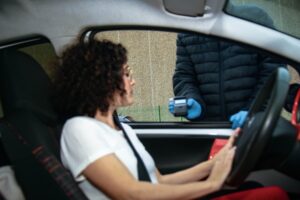
Checkpoint stops feel different from regular traffic stops. You may not know why you were stopped, and the situation can feel more controlled and tense at the same time. That mix often leads to confusion, especially when officers begin asking questions or requesting sobriety tests.
Understanding the Intimidation and Stakes of a DUI Checkpoint Arrest
At a checkpoint, drivers are often expected to move forward in a line, speak briefly with an officer, and then either continue driving or be pulled aside. That setting can make it harder to think clearly. You might feel pressure to comply quickly, even if you are unsure about what is being asked.
This is where legal help becomes absolutely vital. A lawyer understands how these encounters unfold and can later review whether the interaction stayed within legal limits.
1. Protecting Your Rights and Guiding Your Actions at the Checkpoint
What happens during the first few minutes of a checkpoint stop can shape the entire case. Small decisions can carry more weight than people expect. Here is how your lawyer can help you take the right steps.
Educating You on Your Constitutional Rights During a Traffic Stop
Even at a checkpoint, you still have rights. You are not required to answer every question, and you do not have to provide information beyond what is legally required. That can feel unclear in the moment, especially when officers are speaking quickly or directing traffic.
A lawyer can explain what you were actually obligated to do, what was optional, and whether your rights were respected during the stop.
Advising on Refusal of Sobriety Tests and Chemical Tests
Officers may ask you to perform field sobriety tests or take a breathalyzer. These requests can feel routine, but they are not always simple. The way the request is made, the timing, and even the wording can matter more than they seem at first.
A lawyer can later assess whether those tests were offered and handled correctly, and whether your response, including any refusal, was properly documented. In some cases, what is written in the report may not fully reflect how the situation unfolded, especially if there was hesitation, confusion, or unclear instructions.
2. Challenging the Legality and Protocols of the DUI Checkpoint Itself
Not every checkpoint is set up or carried out in a lawful way. There are rules about how checkpoints should be planned, announced, and conducted. If anything about the checkpoint looked suspicious, it may be possible to question if the checkpoint was even legal.
Scrutinizing the Checkpoint’s Compliance With Legal Standards
A defense attorney may look at how the checkpoint was organized and whether it followed accepted guidelines. This can include:
- Whether the checkpoint was clearly identified with signs or signals
- Whether officers followed a neutral pattern for stopping vehicles
- Whether the location and timing made sense from a safety standpoint
If these steps were not followed, that could raise questions about the legality of the stop.
Leveraging Case Law and State-Specific Regulations
Checkpoint cases often rely on past decisions and local rules about how law enforcement should operate. These details are not always obvious from the outside, but they can become important when building a defense.
One crucial way a lawyer can help after your DUI checkpoint arrest is by connecting what happened in your case to those broader standards.
3. Building a Robust Defense Strategy and Presenting Your Case in Court
After the arrest, the focus shifts to how the case is handled in court. This is where a more complete picture starts to form, one based on evidence, reports, and how the stop unfolded.
Developing Tailored Legal Defenses
Every DUI case is different, and checkpoint arrests are no exception. A lawyer may look at:
- The accuracy of evidential breath measurement device or chemical test results
- Whether signs of impairment were clearly documented
- Whether video or witness statements support the officer’s report
Sometimes the issue is not just one detail, but how several small details fit together.
Representing You Throughout the Entire Legal Process
From court dates to possible plea discussions, having representation helps you understand what is happening at each step. The process can feel uneven, with periods of waiting followed by quick decisions.
A lawyer helps keep track of those steps and explains what each stage means for your case.
A Lawyer Can Help After a DUI Checkpoint Arrest
If you were arrested at a DUI checkpoint, it is normal to have questions about what went wrong and what happens next. Speaking with a Los Angeles DUI Lawyer can help you review the stop, understand your options, and prepare for what is ahead in a more structured way.
Many people start by reading reviews or looking at frequently asked questions before reaching out. Setting up an initial consultation can be a practical next step, giving you a chance to ask questions and begin addressing the legal issues in front of you.
Reach out to Los Angeles DUI Lawyer today to get connected with an attorney who will defend against the charges you face after a DUI checkpoint arrest.
 Fact Checked