



What mistakes to avoid after an out–of–state DUI in California? The main ones are missing the DMV deadline, ignoring court dates, and assuming your home state will handle it. Yet, trying to handle the case without legal help is one of the most common.
An Out-of-State DUI in California can follow you long after you leave the state, and one arrest during a trip to Los Angeles, San Diego, or Riverside can trigger DUI charges, court obligations, DMV action, and consequences that reach your home state Driver’s License.
California law treats a DUI as a criminal offense, and both the criminal court system and the California DMV move forward, whether you live in the state or not. That’s why reaching out to a Los Angeles DUI Lawyer to get connected with an attorney may be essential.
Navigating California’s DUI Maze From Afar
A DUI arrest in California usually begins with a traffic stop by a police officer or the California Highway Patrol. The officer may conduct field sobriety tests, ask questions about alcohol or drugs, and request a breathalyzer or other chemical testing. If there is probable cause, an arrest follows.
After that, two separate processes begin. One involves the criminal court case. The other involves the California DMV and potential license suspension. These processes move on different tracks, and they do not pause simply because the driver lives in another state. That separation is where confusion starts.
Mistake #1: Ignoring the California DMV’s 10-Day Deadline and Its Interstate Impact
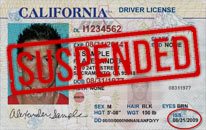
One of the first and most common errors is missing the short window to request a DMV hearing. After a DUI arrest, the officer usually provides paperwork explaining that your driving privilege in California may be suspended unless you act quickly.
- The California 10-day DUI rule for out-of-state drivers: You generally have only 10 days from the date of arrest to request a DMV hearing. This hearing is separate from your criminal court case.
- How California DMV decisions affect your home state license: Most states share DUI information through interstate agreements. When California reports a suspension or DUI conviction, your home state DMV may take its own action.
- Navigating the DMV hearing remotely: Out-of-state drivers can request a DMV hearing by phone or through legal representation. The hearing itself may be handled remotely. Evidence such as police reports, chemical testing records, and breathalyzer results is reviewed.
If no hearing is requested, the California DMV can move forward with a license suspension. For an out-of-state licensee, that suspension may apply to your privilege to drive in California. It also creates a record that can be reported to your home state.
Mistake #2: Assuming Your Home State’s Laws or DMV Will Handle Everything
California controls what happens inside its borders. That includes DUI charges filed in California Courts and administrative action taken by the California DMV. Your home state controls your actual Driver’s License and may impose additional penalties after receiving notice of a California DUI.
Because states share information, a California DUI conviction can lead to consequences in your home state even if the underlying incident happened hundreds of miles away. This can affect probation terms, required DUI Program enrollment, or additional fines and assessments.
That means you are dealing with two authorities at once. One handles the criminal court case in California. The other reviews your driving record back home.
Mistake #3: Failing to Appear for California Court Dates
California courts do not excuse an absence simply because you traveled home after the arrest, and failing to appear can quickly turn a manageable DUI charge into a more complicated legal situation.
If you fail to appear for a scheduled court date, the judge may issue a bench warrant. That warrant does not stay neatly inside California. It can appear during a routine traffic stop in your home state.
Resolving Your Case Remotely With Legal Help
In many cases, an experienced California DUI attorney can appear in court for you, file the required Declaration Form documents, and communicate with the prosecutor. This can reduce the need for repeated travel while keeping the case on track.
That support becomes even more important if the case involves allegations beyond simple drunk driving, such as refusing field sobriety tests, elevated blood alcohol content, or claims involving prescription medications.
Mistake #4: Underestimating the Long-Term Financial and Logistical Burden
A DUI does not end with court fines. The financial and practical impact often stretches much further than people expect. Beyond the initial court case, drivers may face ongoing costs, added requirements, and long-term record consequences that continue well after probation begins.
For someone dealing with an Out-of-State DUI in California, those obligations can follow them across state lines and affect daily life back home.
The long-term burden often includes:
- Court fines, fees, and probation-related costs
- Mandatory DUI Classes or enrollment in a California DUI Program
- Installation of an Ignition Interlock Device as a condition of driving
- SR-22 insurance filings and higher insurance premiums
- Disclosure issues tied to employment or a professional license
These financial and logistical consequences do not disappear quickly. Insurance rates may stay elevated for years, background checks can reflect the conviction, and certain careers may require disclosure of the criminal offense.
Mistake #5: Choosing to “Do it Without a lawyer”
If you were arrested for an Out-of-State DUI in California, consider speaking with a Los Angeles DUI attorney as soon as possible. A local attorney can review the facts of your arrest, explain possible DUI strategies, and help you understand how the court case and DMV process may affect your license and record.
Early action helps protect your driving privilege, clarify your court obligations, and limit long-term consequences. If you are facing an out-of-state DUI in California, reach out to a Los Angeles DUI :Lawyer to be paired with an attorney and discuss your next steps.
 Fact Checked