


DUI charges can be overwhelming. After an arrest, many people make mistakes that hurt their defenses and worsen the penalties they face.
So, what are five mistakes to avoid in a DUI refusal case? You should not explain yourself to the police, ignore DMV deadlines, post on social media, assume you have to plead guilty, or wait to hire a lawyer.
DUI cases are too high-stakes to handle on your own. A Beverly Hills DUI lawyer can help you avoid common pitfalls and achieve the best possible outcome for your case.
What Are 5 Mistakes to Avoid in a DUI Refusal Case?
The actions you take after a DUI arrest can have a significant impact on the outcome of your case. Here are five common mistakes to avoid in a DUI refusal case:
1. Assuming You Must Plead Guilty
Some drivers assume that refusing a breathalyzer test automatically means they have no defense. In reality, the strength of the prosecution’s case depends on the specific facts surrounding the stop, arrest, and alleged refusal.
Issues such as whether the stop was lawful, whether the officer properly explained the consequences of refusing a test, and whether the refusal was clearly established can all affect the strength of your defense.
2. Ignoring DMV Deadlines
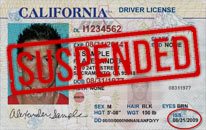
In California, refusing to take a chemical test during a traffic stop usually triggers an administrative license suspension through the Department of Motor Vehicles. Drivers typically have 10 days from the date of a DUI arrest to request a DMV hearing to challenge the suspension.
Failing to act within that window can result in an automatic license suspension, even before your criminal case is resolved.
3. Talking Too Much to Law Enforcement
After an arrest, some people try to explain their actions or justify why they refused the test. If you do so, your statements may be used against you later. Even seemingly harmless comments can be interpreted in ways that support the prosecution’s case.
It is generally advisable to avoid making detailed statements to law enforcement until you consult a lawyer.
4. Waiting to Get a Lawyer
DUI refusal cases are often more complicated than standard DUI cases. The refusal itself can lead to enhanced penalties, and the case may involve both criminal court and DMV proceedings.
Waiting too long to seek legal assistance can mean missing deadlines, losing access to key evidence, and having fewer options when it comes time to build a defense.
5. Posting About the Incident on Social Media
Many people underestimate how damaging social media posts can be in a criminal case. Comments, photos, or jokes about drinking, driving, or the arrest itself may later be used as evidence against you. Even posts that seem harmless or unrelated can be taken out of context.
For this reason, you should avoid discussing the incident on social media until your case is resolved.
What Are the Penalties for a DUI Refusal in California?
Refusing a chemical test usually adds additional penalties on top of a DUI charge. If prosecutors can prove that you refused testing after a lawful arrest, the court can impose an enhanced sentence. Penalties you may face include:
- Longer driver’s license suspension: Refusing a test typically results in a longer license suspension than a standard DUI conviction.
- Mandatory DUI education programs: Courts may require you to complete longer DUI education courses.
- Increased fines and penalties: DUI convictions already carry significant financial consequences, including fines, court costs, and various fees. A refusal finding can lead to additional penalties.
- Possible jail time: While jail time for a DUI in California is not mandatory in every case, refusal allegations can increase the likelihood of incarceration.
- Additional consequences for repeat offenses: Drivers with prior DUI convictions often face significantly steeper penalties when a refusal is involved.
A DUI conviction can also affect your insurance rates, employment, and housing.
Why DUI Refusal Cases Can Be Challenged
DUI refusal charges are not impossible to fight. The prosecution must prove specific elements to establish that a refusal occurred under the law, including:
- You were lawfully arrested for DUI.
- The officer properly advised you about the consequences of refusing a test.
- You willfully refused a chemical test after being informed of the requirement.
If any of these elements are missing or unclear, it may create opportunities to challenge the refusal allegation. Additionally, certain medical conditions or communication issues could affect how a refusal is interpreted.
In some cases, what appears to be a refusal might actually be the result of confusion, language barriers, or health-related limitations.
How a Lawyer Can Help With a DUI Refusal Case
Handling a DUI refusal case can be difficult without a lawyer. A DUI lawyer can help by:
- Reviewing the legality of the traffic stop: A lawyer can analyze whether law enforcement had a valid reason to stop your vehicle in the first place. If the stop was unlawful, evidence obtained afterward may be challenged.
- Examining the arrest procedure: A lawyer can review police reports and bodycam footage to determine whether the arrest followed proper legal procedures.
- Investigating the alleged refusal: A lawyer can evaluate whether the officer properly informed you of the consequences of refusing a chemical test and whether the refusal was clearly established.
- Representing you at the DMV hearing: A lawyer can request and handle the administrative hearing to challenge your license suspension and present evidence on your behalf.
- Building a defense strategy: A lawyer can assess the facts of your case, identify potential weaknesses in the prosecution’s evidence, and develop a defense aimed at reducing or even dismissing your charges.
Connect with an Attorney
Without legal guidance, you could say or do something that hurts your DUI defense. Los Angeles DUI Lawyer can connect you with an experienced attorney who can help you avoid costly mistakes in a DUI refusal case and advocate for you throughout the legal process.
Call now to get professional legal help.
 Fact Checked