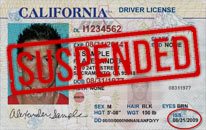




A Commercial DUI case affects more than a standard driving charge. It can impact a driver’s license, job, and future in the motor vehicle industry. If you ask, “What should you know about commercial DUI cases?”, the answer begins with understanding that CDL drivers are held to stricter alcohol rules and face tougher penalties.
These cases often involve chemical tests, alcohol concentration limits, field sobriety test results, and questions about driving privileges. Commercial drivers also deal with administrative hearing concerns, commercial motor vehicle regulations, and the risk of long suspensions.
Working with a Los Angeles DUI lawyer can help drivers understand these issues and address the allegations.
Understanding the “Commercial” Difference: Higher Stakes, Lower Thresholds
Commercial drivers are held to a lower alcohol testing threshold and face stronger penalties. A DUI involving a commercial motor vehicle can lead to license suspension and long-term restrictions even on a personal driver’s license.
What Qualifies as a Commercial Motor Vehicle (CMV)?
A CMV generally includes vehicles based on gross vehicle weight rating, passenger count, or hazardous materials transport. Drivers may need specific endorsements such as Hazmat, School Bus, or passenger permits.
Key CMV factors:
- Vehicle size based on GVWR or GCWR.
- Passenger transport requirements.
- Transport of hazardous materials needing special endorsement.
- Uses tied to commercial work or cargo.
Knowing what qualifies as a CMV helps drivers understand how commercial rules apply and what to do after a commercial DUI arrest, especially when endorsements or vehicle type affect the case.
1. DUI Stops and Investigations for CDL Drivers Usually Follow Certain Procedures
A DUI stop for a CDL driver often includes a breath test, blood test, or urine test. Officers may check for intoxicating liquor, drugs, cannabis, or signs of impaired driving.
Field sobriety tests may also be used, along with questions tied to implied consent rules. Law enforcement officers document coordination, judgment, and responses. CDL drivers may face license suspension if the alcohol level meets DUI laws for commercial vehicles.
2. There are Heightened Penalties and Disqualifications for CDL Holders
A commercial DUI can lead to disqualification from driving a commercial motor vehicle. Even a first offense may affect employment and long-term license status. Penalties are often stricter because CDL drivers are trusted with larger vehicles, passengers, or hazardous materials.
Penalties may include:
- Long suspension periods: These suspensions can extend far beyond standard license penalties and may impact both commercial and personal driving privileges.
- Revocation of CDL privileges: A revoked CDL can remove commercial driving rights completely, limiting job opportunities in the transportation industry.
- Mandatory Ignition Interlock Device use: Some drivers must install an ignition interlock device before any reinstatement, even if the DUI did not occur in a commercial vehicle.
- Payments for reinstatement and surcharges: Reinstating a CDL often involves higher fees, payment plans, and meeting financial requirements set by licensing agencies.
- Required completion of approved DUI Alcohol or Drug Use programs: These programs may be needed before any reinstatement and may include testing, classroom instruction, or completion certificates.
Commercial DUI penalties can alter both work and daily life. Understanding these consequences helps drivers prepare for reinstatement steps and plan what to do after a commercial DUI arrest.
3. You May Face Fines, Jail Time, and Other Legal Consequences for CDL DUIs
A commercial DUI can bring fines, jail time, and additional penalties. Drivers may face points on their record, restrictions, and higher reinstatement fees.
Courts may also order alcohol or drug testing, counseling, or entry into DUI education programs. A commercial DUI may lead to felony classifications when linked to injuries, vehicular assault, or repeat offenses.
These outcomes affect driving privileges and future employment.
4. Your CDL Endorsements and Credentials Could Be Affected
A commercial DUI affects more than a driver’s main license. It can limit endorsements such as Hazmat, passenger permit, or school bus, which are often required for important commercial routes.
Some individuals may lose a Commercial Learner’s Permit or face added training under Entry-Level Driver Training rules. Others may need security threat assessments, self-certification updates, or medical certificate reviews before returning to work.
Loss of endorsements affects job options and may require additional testing or reinstatement steps. These changes can slow the return to driving and create added financial pressures. Key impacts on endorsements and credentials include:
- Loss of essential endorsements: Drivers may be unable to transport passengers, hazardous materials, or school children.
- Added background checks or security reviews: Some endorsements require new assessments before reinstatement.
- Training or testing requirements: Entry-Level Driver Training or skills exams may be required again.
- Medical certificate updates: Some drivers must complete new medical reviews before returning to work.
- Limited job opportunities: Fewer driving options may be available until full reinstatement is completed.
These changes show how a commercial DUI reaches beyond basic driving privileges and can influence long-term career stability.
5. A Commercial DUI Lawyer Can Answer Your Questions and Protect Your Rights
A DUI lawyer can explain how testing rules, license suspensions, and reinstatement steps apply to CDL drivers. Legal guidance may also address chemical testing issues and implied consent procedures.
Los Angeles DUI Lawyer connects individuals facing commercial DUI charges with qualified attorneys who can offer advice, representation, and support through court or district court proceedings.
If you are facing a commercial DUI, the next step is to seek guidance from an attorney experienced with CDL-related cases. An attorney can review testing results, explain available options, and help determine appropriate steps after a commercial DUI arrest.
 Fact Checked